Heating for sports halls – how to choose the right heating system for your venue?

Warmth where people exercise

A quick warm-up before class
A consistent temperature in the high-ceilinged hall
Do you recognise these problems from your sports hall? We have tried-and-tested solutions for them.
Problem: The hall takes hours to warm up, and the heating is on even when nobody is exercising.
Problem: It’s warm under the roof, but cold on the pitch and in the stands.
Problem: During competitions and events, the hall becomes stuffy and damp.
Why is heating a sports hall such a challenge?
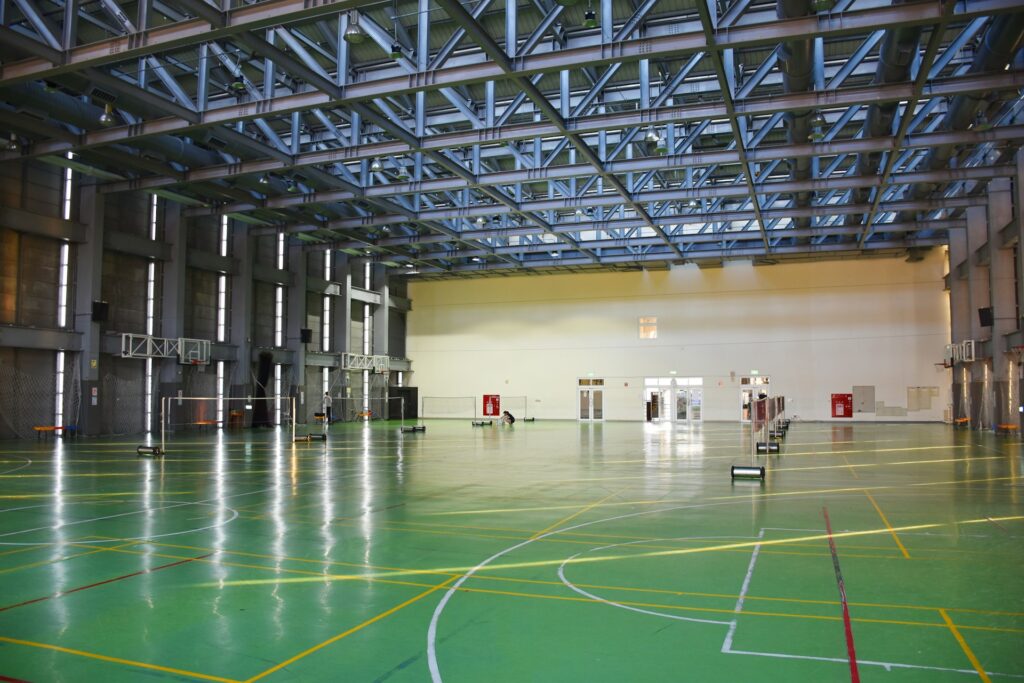
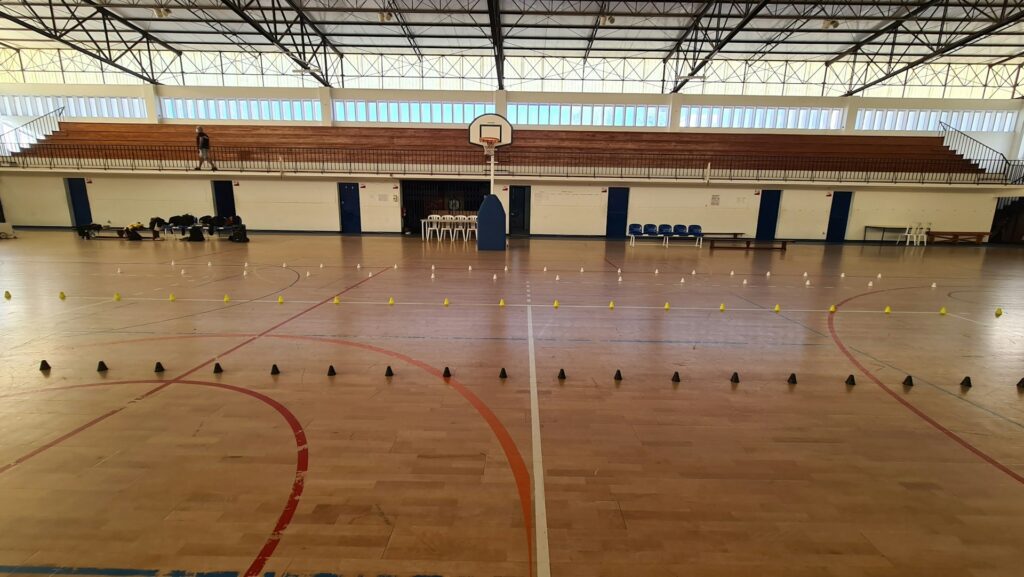
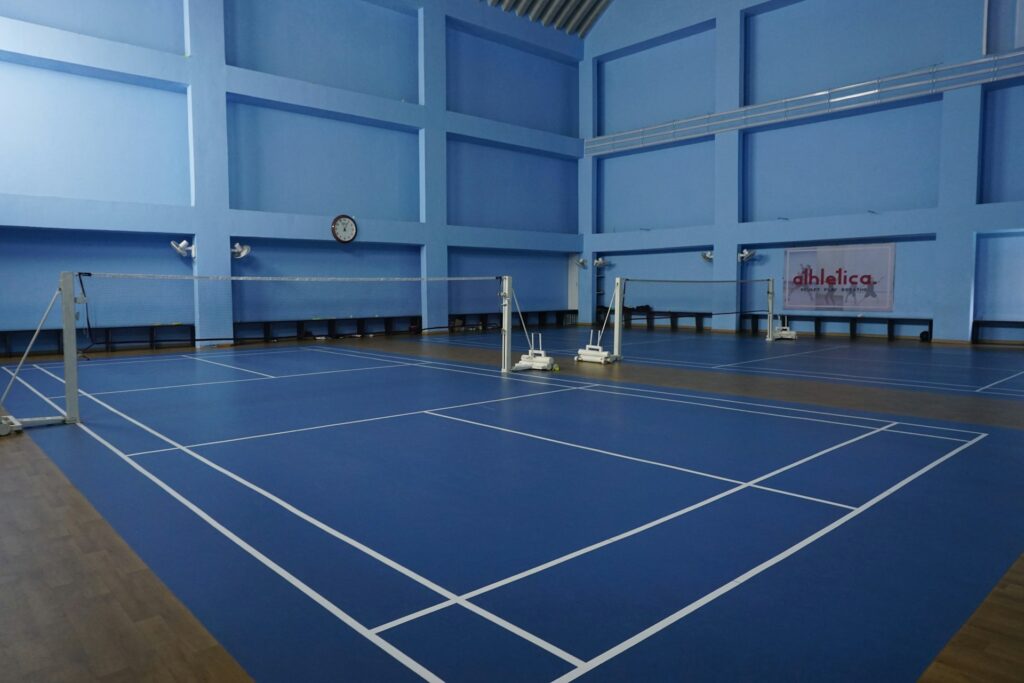
A sports hall, gymnasium or indoor tennis court is usually a building several to over ten metres high, with a large roof area and extensive glazing. Warm air naturally accumulates near the ceiling, whilst people are situated lower down – on the playing surface and in the stands.
Added to this is the fluctuating occupancy: lessons, training sessions, competitions and breaks. Maintaining a constant temperature round the clock in an empty hall increases heating costs. That is why heating for the sports hall It is worth designing with the timetable and zones in mind, rather than just the floor area.
Methods of heating sports halls – a comparison of solutions
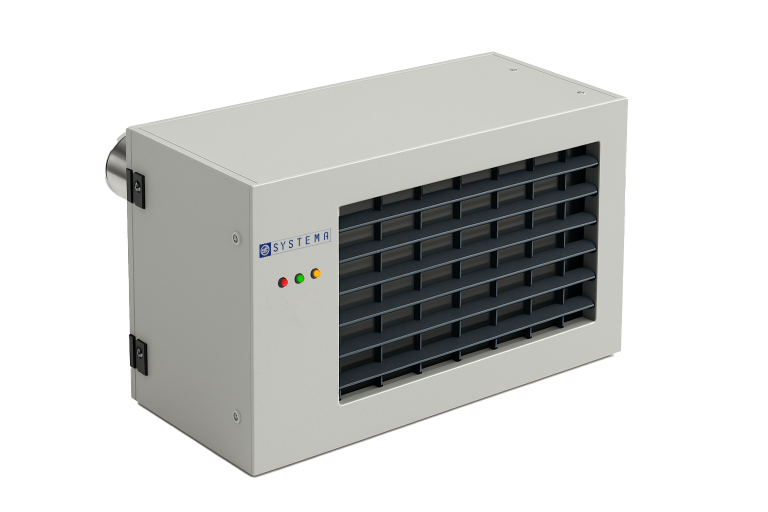
Forced-air heating (gas heaters)
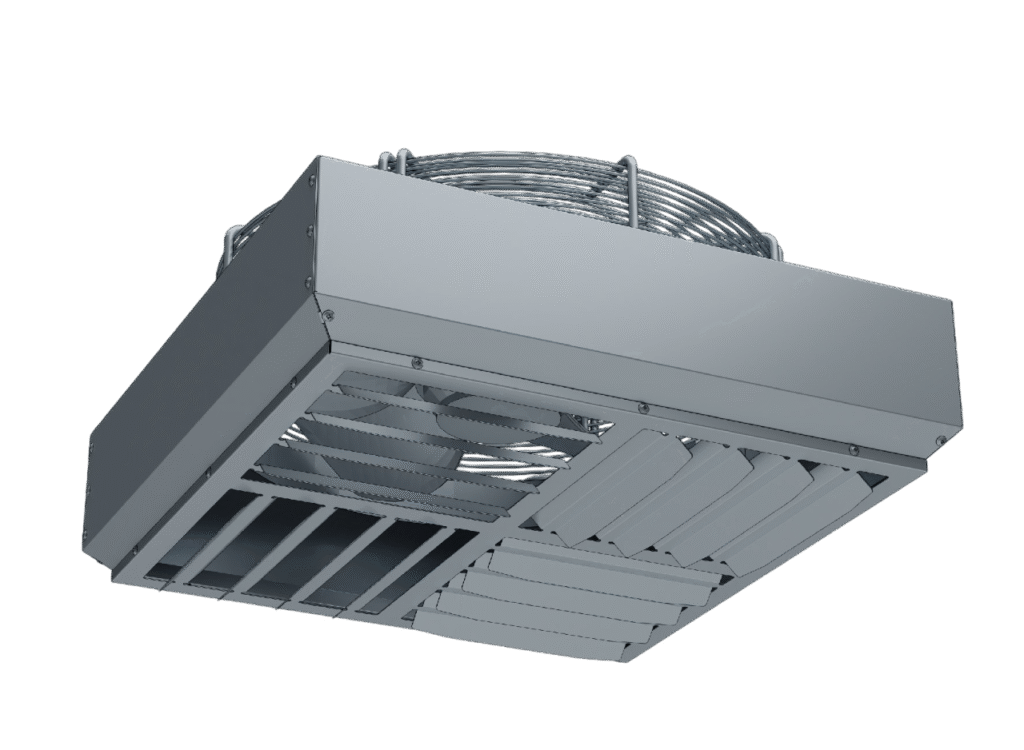
How it works: The gas heater warms the air and distributes it throughout the hall using a fan.
Advantages in sports halls:
- rapid heating of the entire space before lessons begin,
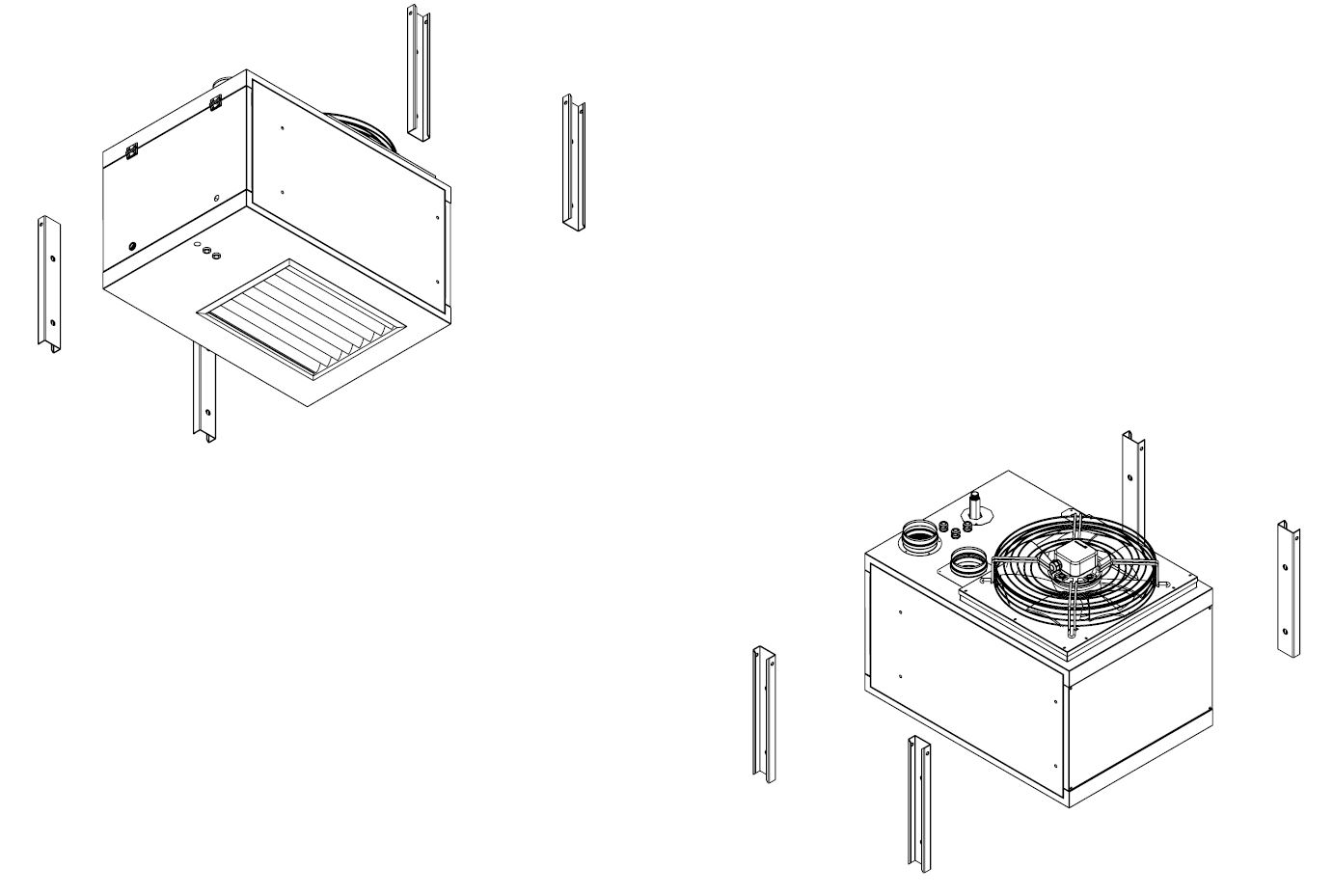
- option to connect to a ventilation system (Roof-Top EOLO RT),
- heating for the changing rooms and back-of-house areas as well.
Restrictions: Air movement can be a hindrance in certain sports (e.g. badminton), and in high-ceilinged halls, heat accumulates near the ceiling – DS destratifiers are required.
Products: gas heaters EOLO BC / NBC / BCX, Roof-Top EOLO RT.
Infrared heating (radiators, radiant panels)
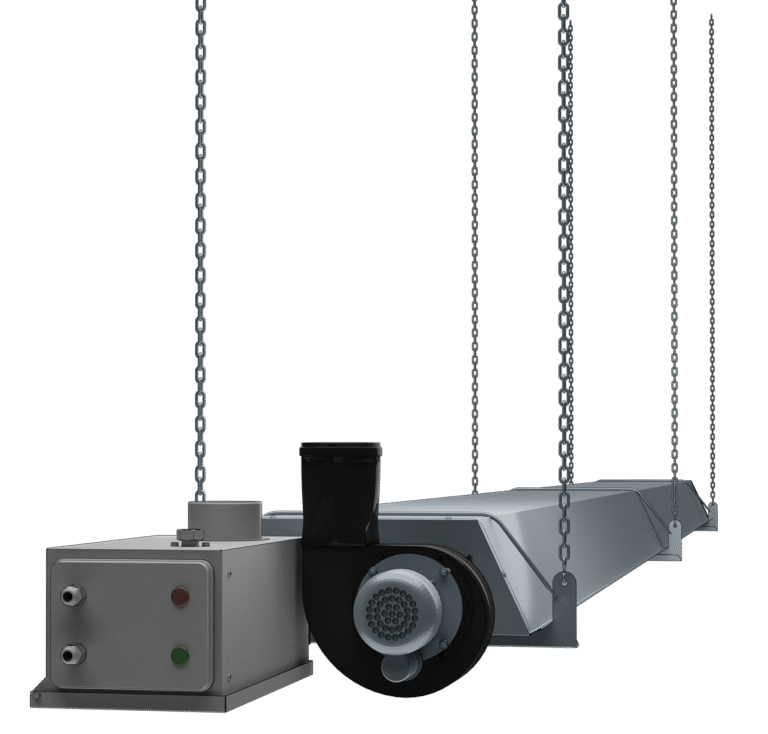
How it works: Infrared radiation heats people, the floor and objects – not the entire volume of air.
Advantages in sports halls:
- zonal heating (pitch, stands, warm-up area),
- instant comfort as soon as you switch it on,
- no air movement or dust,
- It works well in tall buildings.
Restrictions: does not provide ventilation; in sports halls where ball games are played, the equipment must be arranged in such a way that it is protected from impacts.
Products: INFRA BU/BM, OHA / OHA X lanes.
Destratification and ventilation of a sports hall
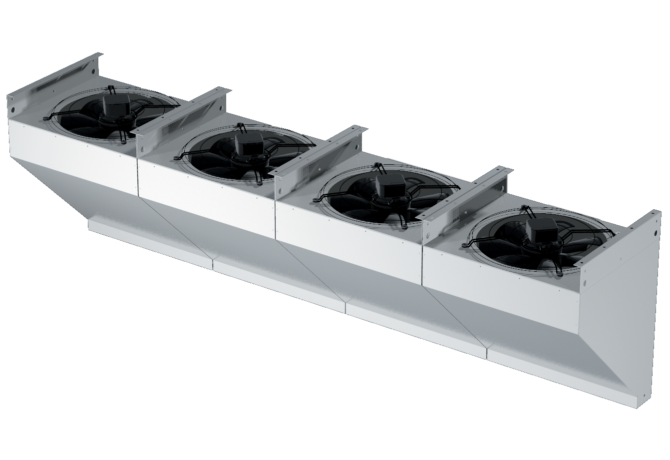
In the high halls DS destratifier It regulates the temperature and can reduce heating costs by 20–30% in halls over 8 m high – find out more in the guide on destratification. When there are a lot of people in the hall, you also need ventilation – e.g. EOLO RT units or OHA X belts with a ventilation function.
They do not replace the heat source – they complement it.
A comparison of heating methods for sports halls
How much does it cost to heat a sports hall?
Capital expenditure
Purchase of equipment (radiators, heaters, destratifiers), design and fitting, gas and electrical installations, and control systems. The cost depends on the volume, height and the technology chosen heating of sports halls.
Running costs
Gas consumption accounts for the largest share – which is why it is so important to heat the building only during school hours (using zone and timer controls) and to minimise the heat that builds up under the roof. On top of this, there are inspections and maintenance.
Indirect costs
A cold sports hall means less comfort for participants and spectators, lower attendance at winter sessions, and higher bills when heating an empty venue.
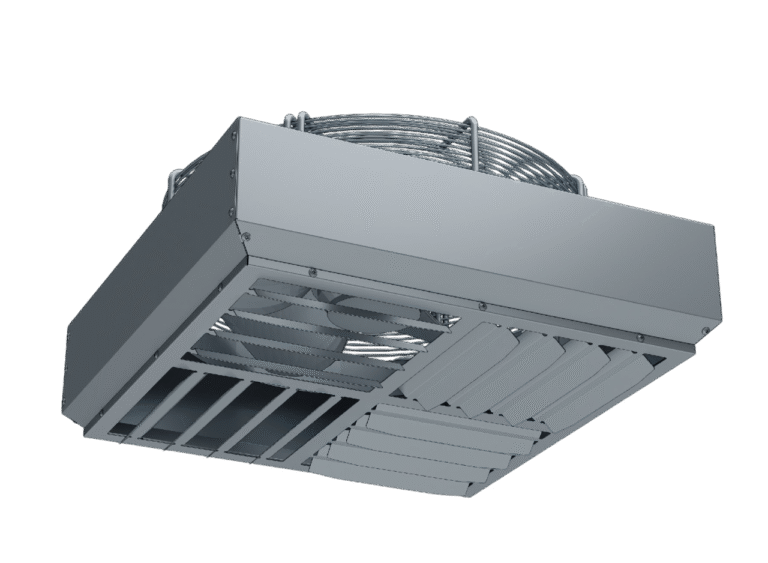
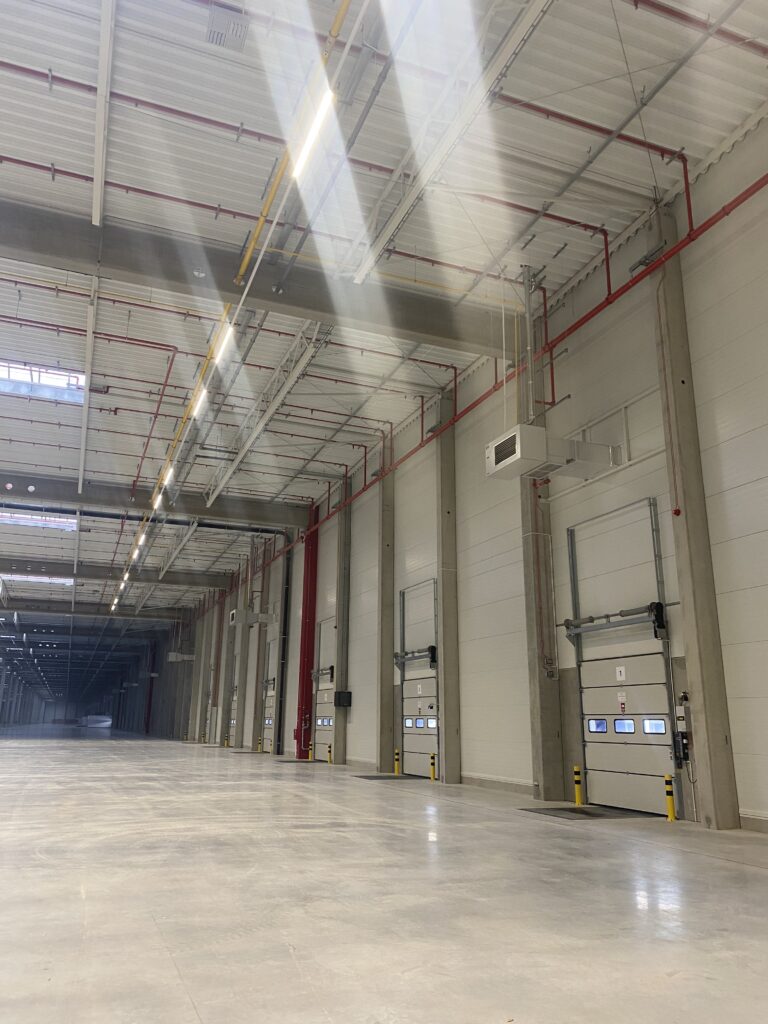
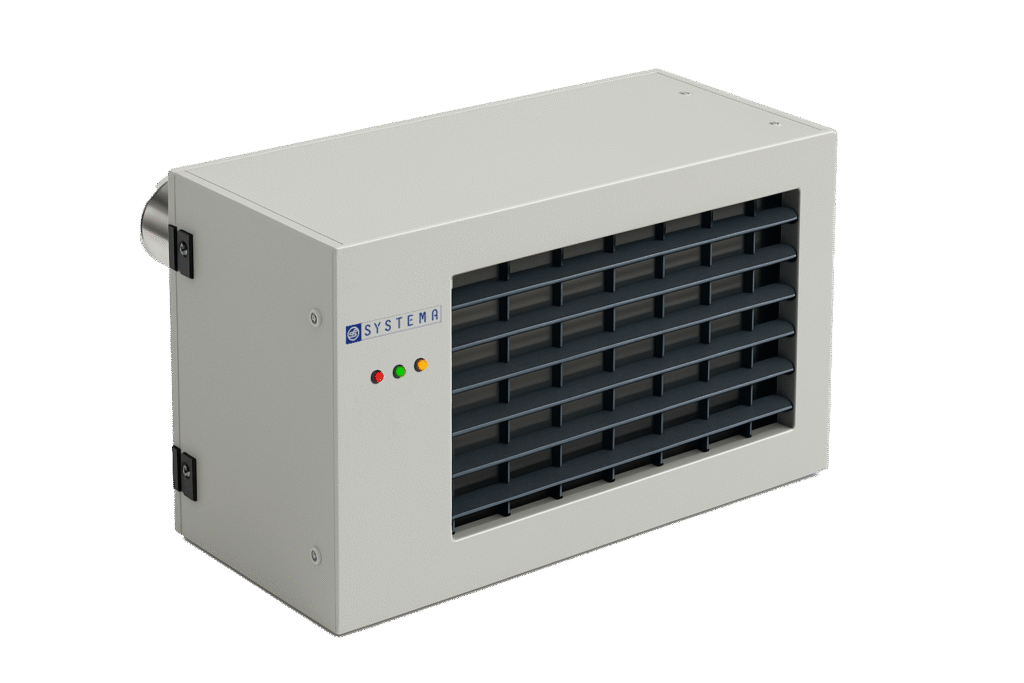
Rapid heating of the entire hall: EOLO gas heaters and EOLO RT roof-top heaters
A solution for halls where the entire volume needs to be heated – including changing rooms, corridors and back-of-house areas.
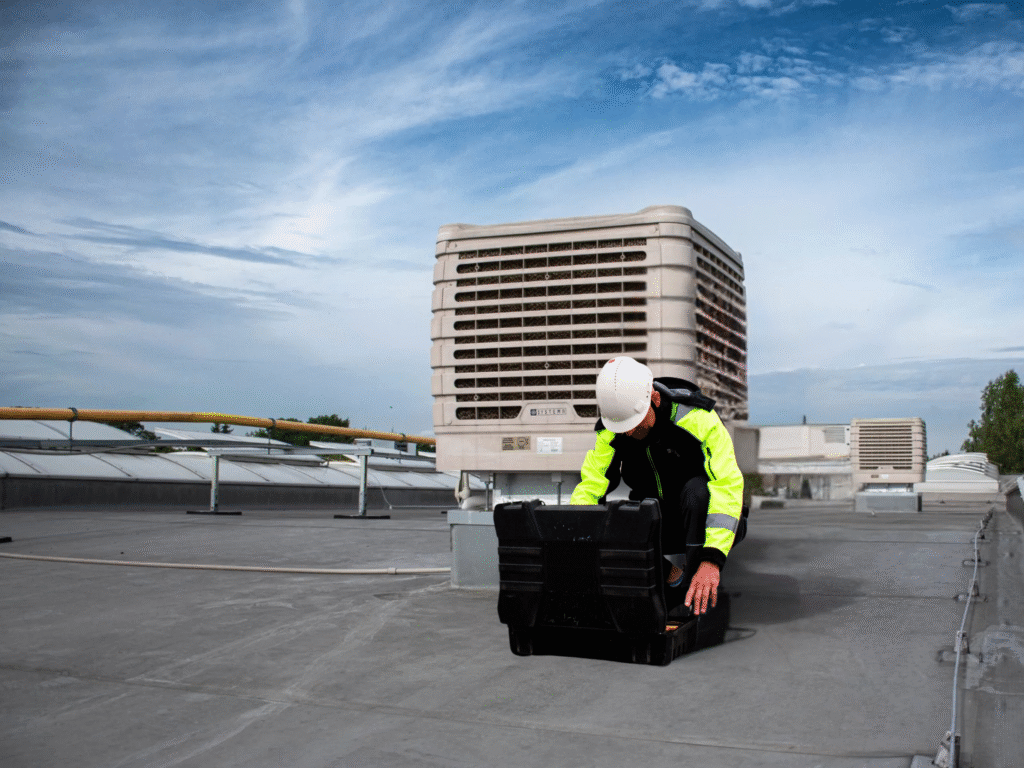
EOLO heaters quickly raise the temperature in the hall after a period of inactivity, whilst EOLO RT roof-mounted units combine heating with ventilation and do not take up any space inside the hall.
Key parameters:
- Condensation (BC series) – capacity up to 105%.
- Power modulation – the burner adjusts its output to match current demand.
- Roof-Top EOLO RT – heating and ventilation via the roof, with no equipment on the hall walls.
- iSystema Control – up to 16 zones and 28 time programmes, controlled via a computer or smartphone.
+25,000.
+1000
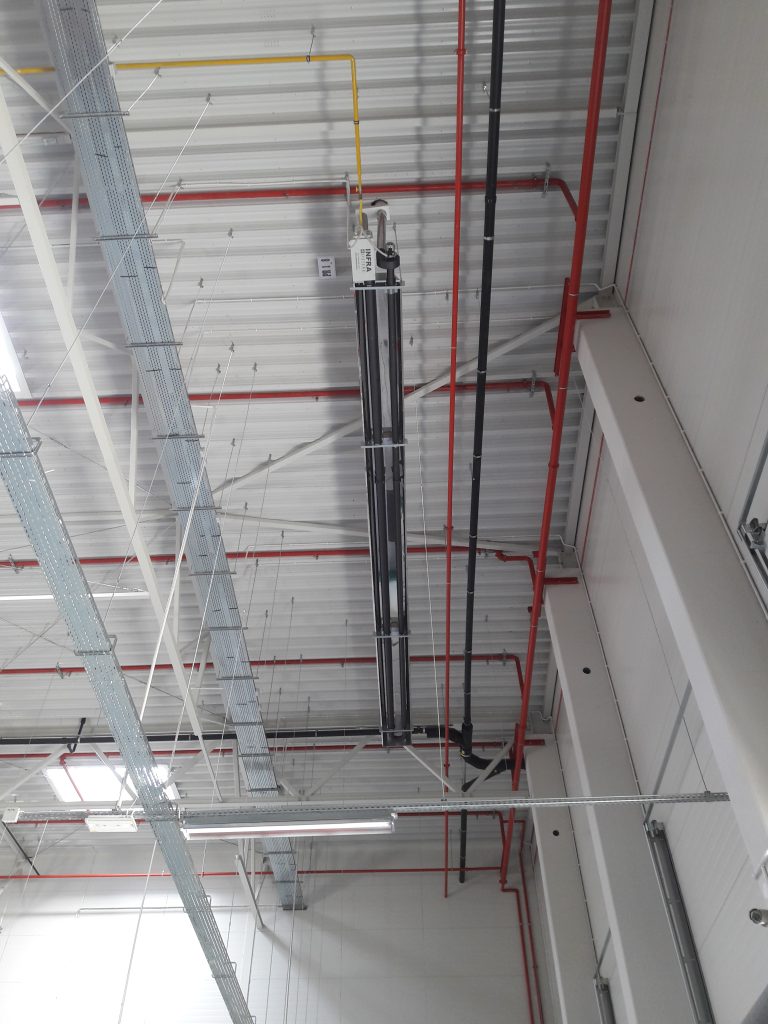
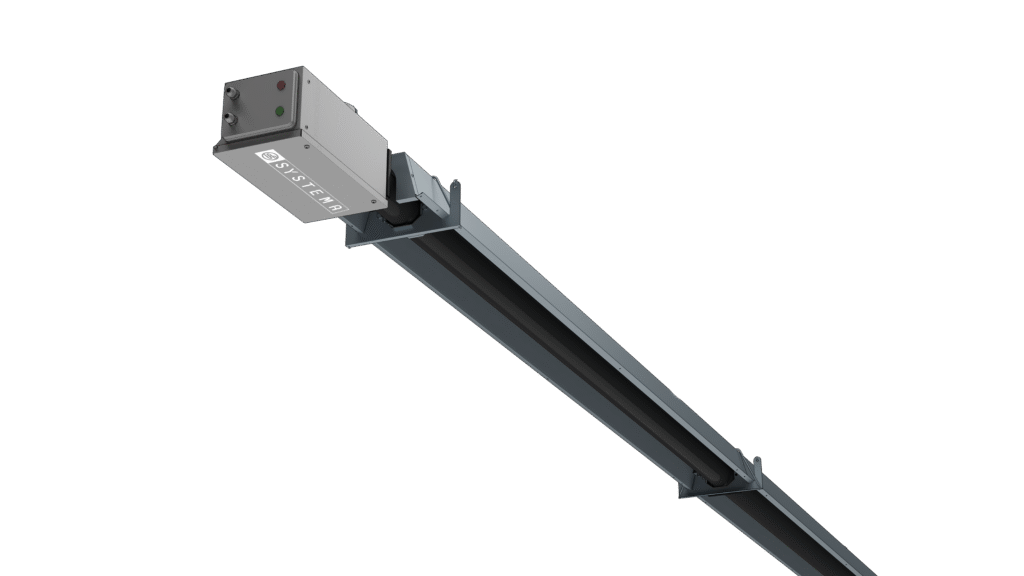
Zone heating above the pitch and stands: INFRA radiant heaters and OHA heating strips
A good solution for sports halls, gyms and indoor tennis courts.
Infrared heaters warm people, the floor and objects, rather than the entire volume of air. They do not cause air movement or stir up dust, and thermal comfort is felt shortly after they are switched on.
Key benefits:
- Zone heating – a separate pitch, stands and warm-up area.
- Instant comfort – without having to spend hours heating the hall before classes.
- No draughts or dust – important for ball and shuttlecock games.
- Scalability: radiators INFRA BU/BM and belts OHA / OHA X.
+25,000.
+1000
Heating for sports facilities – from gyms to arenas
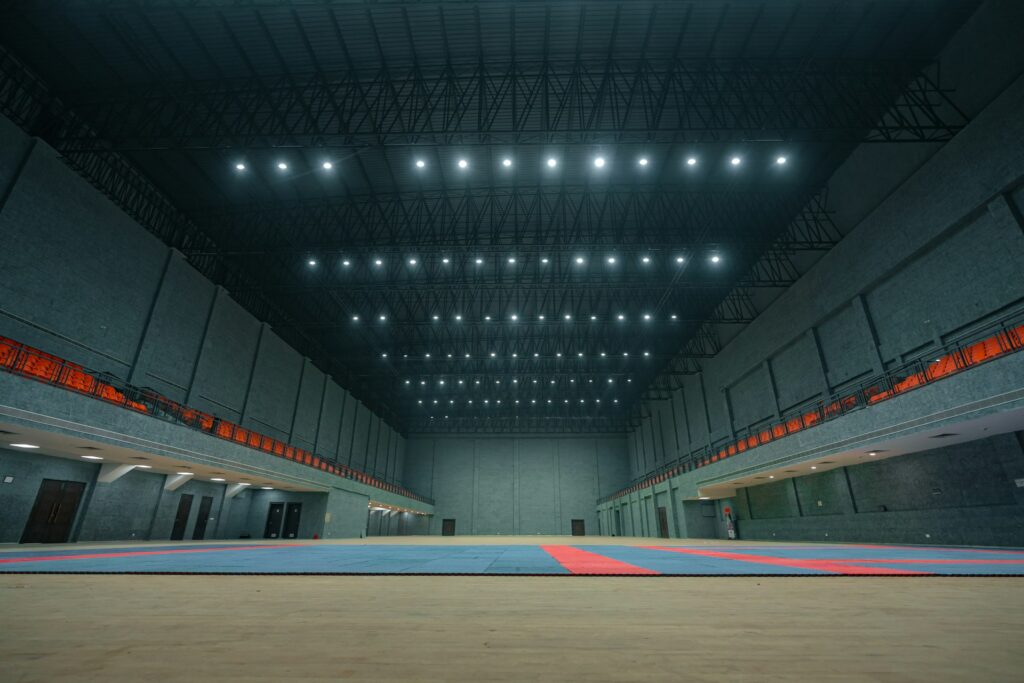
Heating for sports facilities It depends on the type of facility: a school gym, a sports and entertainment arena with stands, indoor tennis courts or a club training hall all have different timetables and requirements.
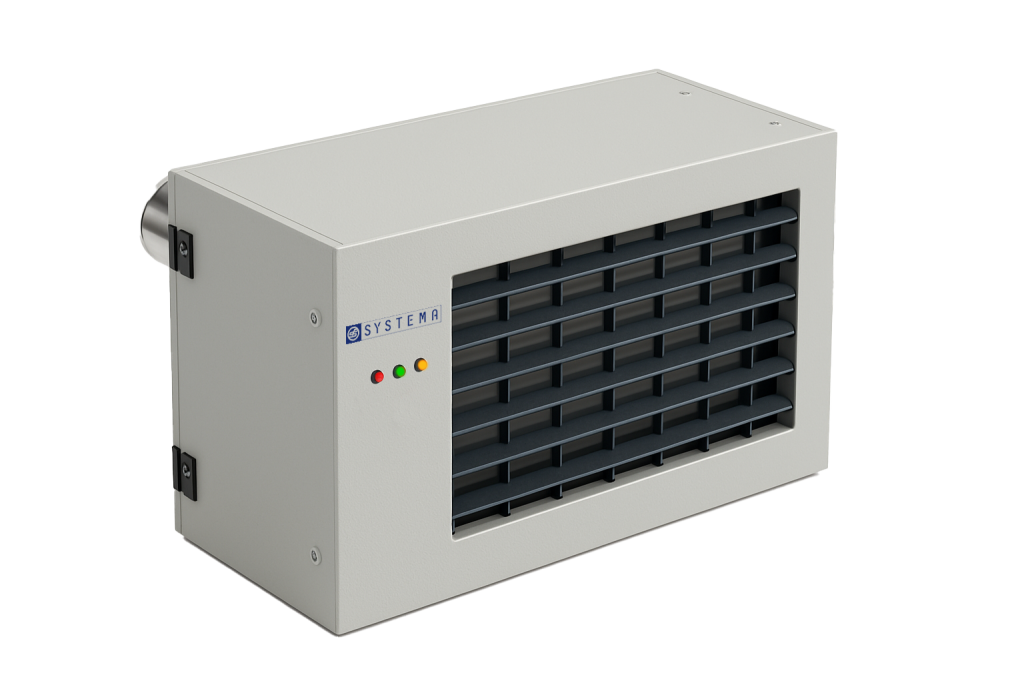
In practice heating for sports halls It usually combines several technologies:
- INFRA radiant heaters / OHA heating strips for zone heating,
- EOLO or Roof-Top EOLO RT heaters for the entire volume,
- DS destratifiers in high-ceilinged halls,
- Time and zone control (for EOLO and iSystema heaters).
A sports hall versus an industrial hall – how does the heating differ?
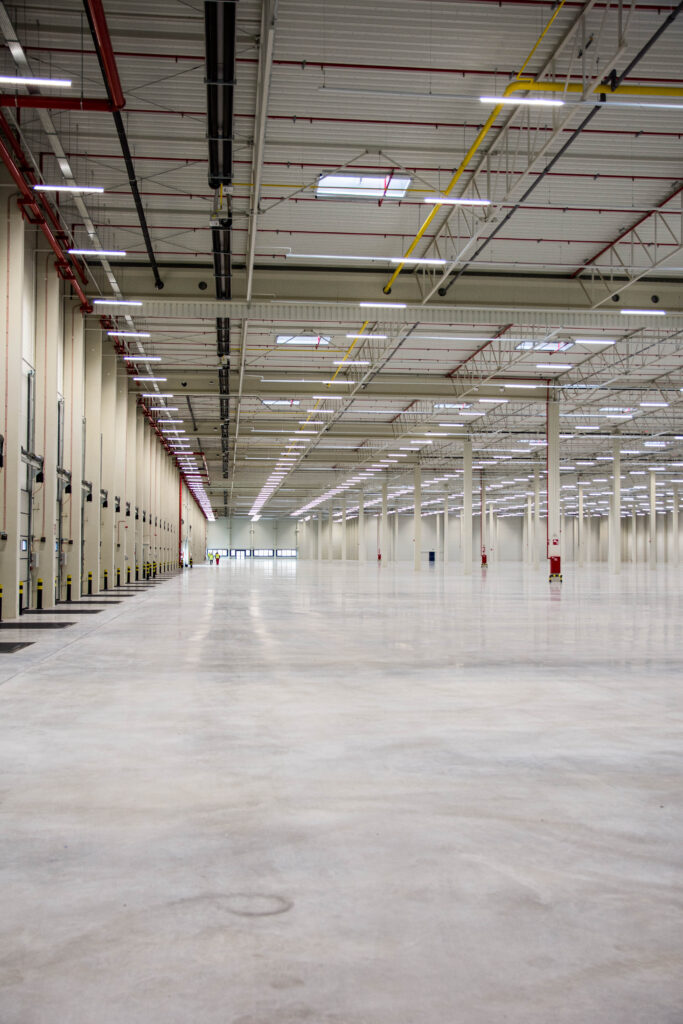
| Feature | Sports hall | Production / storage hall |
|---|---|---|
| Directions for use | at specific times (lessons, competitions) | usually shift work |
| Where do people live? | pitch, stands | workstations, picking areas |
| Priority | instant comfort, no draughts, ventilation even when there are lots of people | processes, health and safety, protection of goods |
| A typical system | INFRA / OHA zonal + DS; EOLO RT where ventilation is required | EOLO + SV curtains + DS or INFRA / OHA |
Do you heat an industrial hall? Take a look: heating of production halls i heating of warehouse buildings.
DS destratifiers and ventilation – a complement to the system
In a hall with a ceiling height of over 8 metres DS destratifier It regulates the temperature and can reduce heating costs by 20–30%. Heat from under the roof is recirculated back onto the pitch and into the stands.
When there are a lot of people in the building, make sure to ventilation – EOLO RT rooftop units combine it with heating.
When is it a good idea to commission a heating design for a sports hall?
Professional advice is particularly important when:
- you are building a new sports hall or gym and preparing the tender documentation,
- you’re upgrading a heating system that results in high bills,
- The hall is high-ceilinged, and it’s cold on the pitch,
- the venue has stands and hosts competitions,
- You want to compare the costs of the technologies before making a decision.
Systema Polska will draw up a concept and select equipment free of charge, and provides designers with technical data and CAD files.
How do you choose the right heating system for a sports hall?
The choice should take into account the height and volume of the hall, the schedule of events, the number of spectators, ventilation requirements, the availability of gas and the budget.
In practice The best results are achieved by combining several approaches:
- INFRA heaters or OHA strips above the pitch and the stands,
- EOLO or Roof-Top EOLO RT heaters for the entire volume and ventilation,
- DS destratifiers in halls over 8 metres high,
- zone-based and time-based control tailored to your schedule.
The most common mistakes made when heating sports halls
- Selection based solely on surface area – excluding the height of the hall and the timetable.
- Heating an empty hall round the clock – no time control.
- Ignoring destratification in high-ceilinged halls – the heat stays inside; it’s cold on the pitch.
- A single temperature for the entire building – without distinguishing between the pitch, the stands and the facilities.
- Lack of ventilation – it was stifling and humid during the competition.
- Equipment without ball protection – in team sports halls.
- Lack of regular servicing – a decline in performance without servicing.
Frequently Asked Questions
What is the best way to heat a sports hall?
What’s the cheapest way to heat a sports hall?
Will infrared heaters work well in a sports hall?
Does zonal heating make sense in a sports hall?
Can the heating in a sports hall be combined with the ventilation system?
From audit to service, we are your partner at every stage.
Free consultation
Design and selection of equipment
Delivery and commissioning
Servicing and inspections
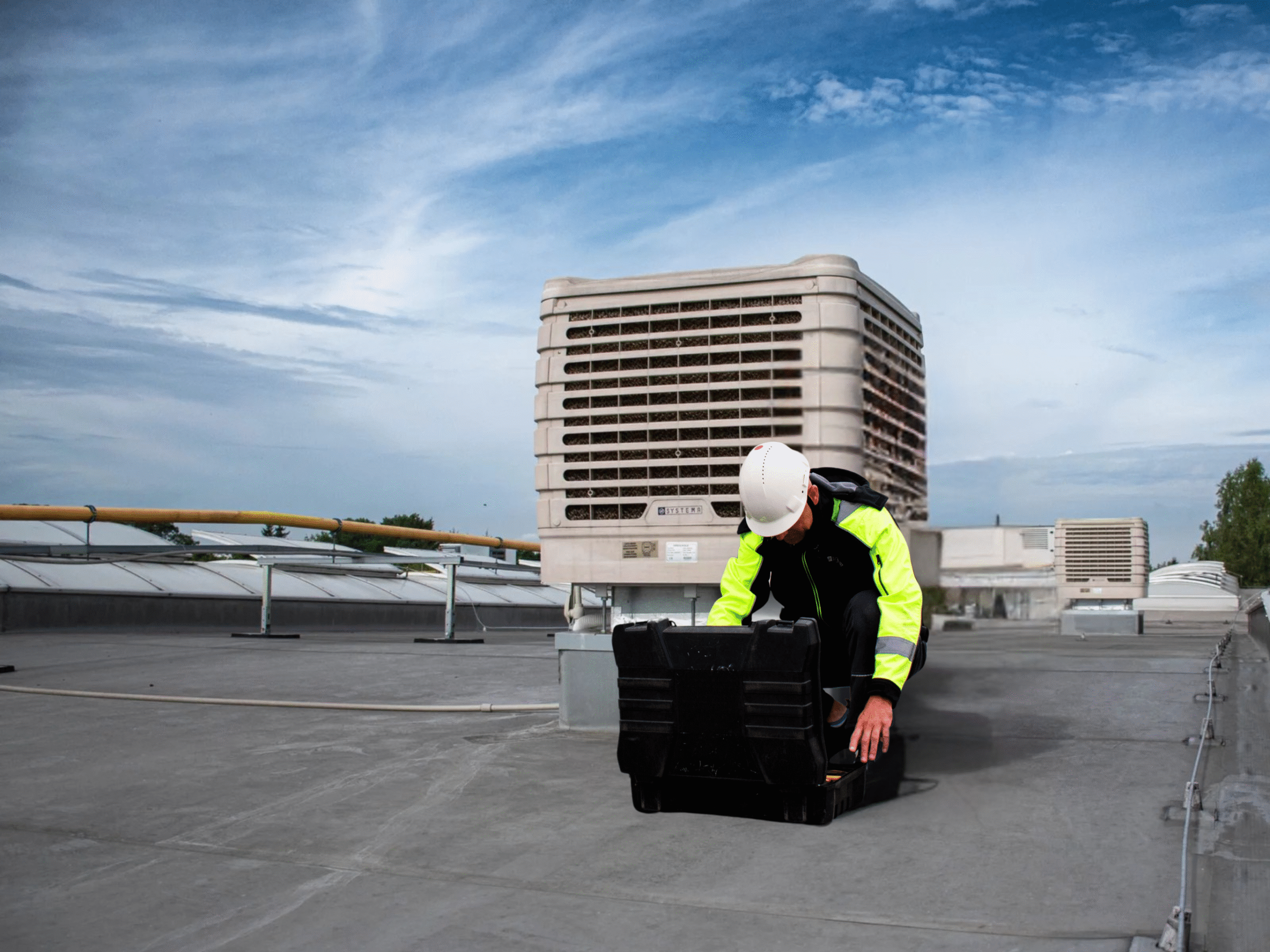
Over 27 years’ experience. Over 1,000 industrial buildings in Poland heated by our equipment.
Book a free consultation for your sports hall
Długa street 5, 98-220 Zduńska Wola
NIP: 829-150-55-41
REGON: 730918997
KRS: 0000102157
Monday to Friday
from 7:00 a.m. to 3:00 p.m.
Fill in the form