How do gas heaters work?
A gas radiant heater converts the energy from gas combustion into infrared radiation. The burner heats the emission tube, which – just like the sun – radiates heat directly onto people, the floor and machinery in the work area. The air is only heated by the warm surfaces, which is why a layer of hot air does not accumulate under the roof, and the unit does not cause draughts or stir up dust.
This type of heating system provides noticeable thermal comfort shortly after being switched on and allows only selected areas of the hall to be heated – without heating the entire space.
Types of gas heaters
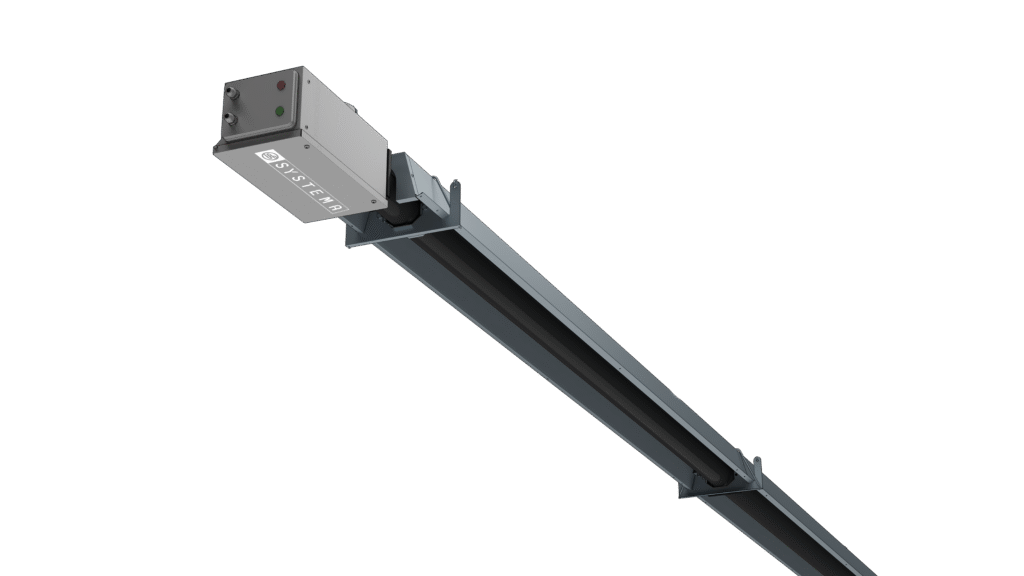
- Tubular radiators (so-called ‘dark’ radiators) – Combustion takes place inside the flue pipe. This is the standard solution for heating industrial and warehouse premises. Our INFRA BU and INFRA BM radiant heaters fall into this category.
- Radiating bands – long pipe networks supplied by a single burner, designed for very large halls. These are our OHA and OHA X systems.
- Ceramic gas heaters (so-called ‘bright’ heaters) – the flame heats the ceramic plate to a high temperature. Systema Polska specialises in tubular radiant heaters and radiant strips.
Systema Polska gas heaters – which model for which hall?
INFRA BU – a U-shaped tubular radiator
U-shaped emitter, burner and outlet on one side, two-stage operation (Hi/Lo). Outputs ranging from 18 to 60 kW, emitter lengths from 3 to 18 m. Ideal for production halls, warehouses and workshops – both for heating specific work areas and the entire floor. In Poland, industrial premises are heated by over 25,000 INFRA radiant heaters.
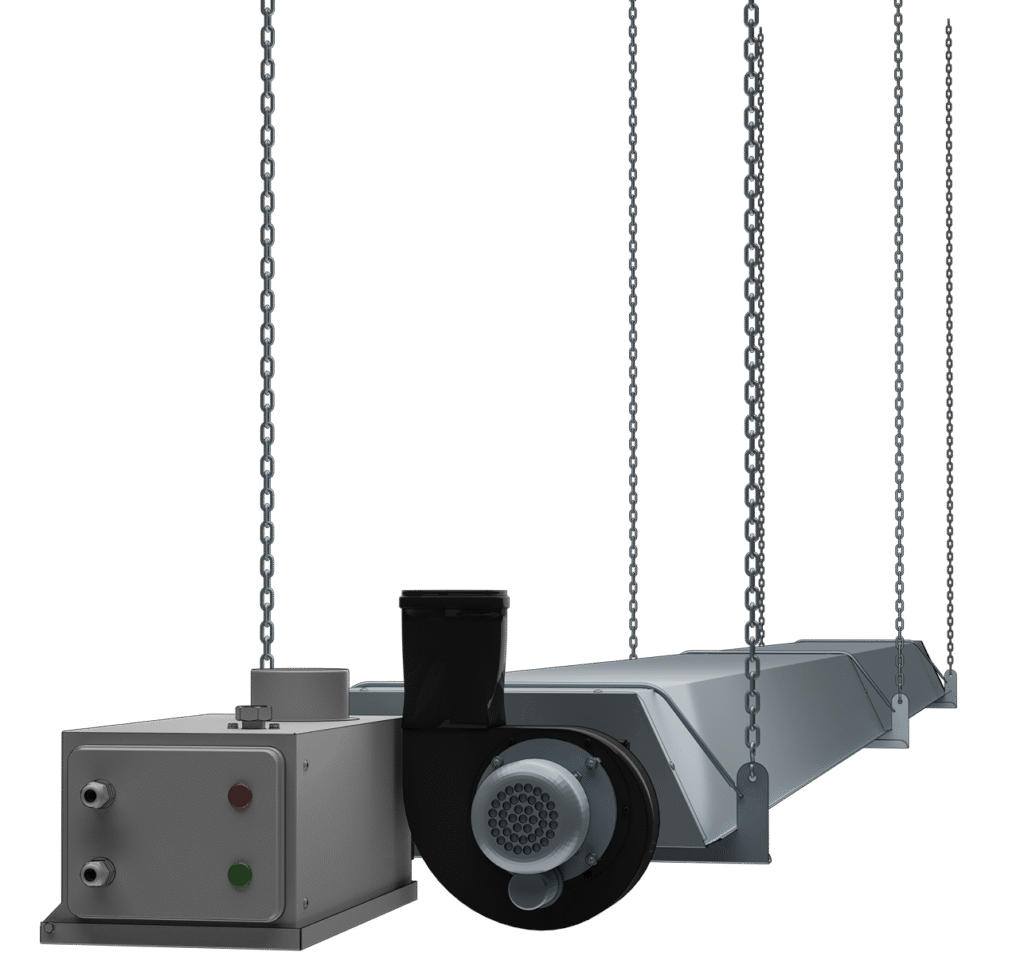
INFRA BM – single-tube radiator
A simple, single-pipe emitter with a burner and a fan at opposite ends. Power outputs from 18 to 45 kW, combustion efficiency approx. 91%. A good choice when the radiant heater is to run in a straight line, e.g. along a row of workstations.
OHA radiating strips – for very large halls
The burner unit is usually installed outside the building (on a wall or roof), whilst radiant pipes run through the hall. The system operates under negative pressure, so flue gases do not enter the hall. Capacities ranging from 100 to 300 kW, U and M configurations, standard or modulating burners – a solution for logistics centres and large-scale production halls.
OHA X – heating and ventilation in one
A new generation of radiant heaters: as well as providing heating, they supply up to 4,000 m³/h of heated air with heat recovery to the hall. The control system supports up to 16 zones and 28 time programmes. Burners rated at 50–130 kW and 100–300 kW.
BAFDES – for agriculture
Infrared heater with a built-in destratifier for poultry houses and greenhouses. Power output approx. 6.9–20 kW, installation height 1.5–3 m, versions without a flue (type A) and with a flue (type B). More about heating agricultural buildings.
When should you use gas radiant heaters, and when should you use fan heaters?
Gas heaters are a particularly good choice when:
- the hall is high (usually over about 8–10 metres) and you don’t want to heat the air under the roof,
- The gates open frequently, and people work in designated areas,
- Air movement and dust are a nuisance in the workshop – for example, in joinery workshops,
- You want to heat only certain areas, whilst keeping the rest of the hall at a lower temperature.
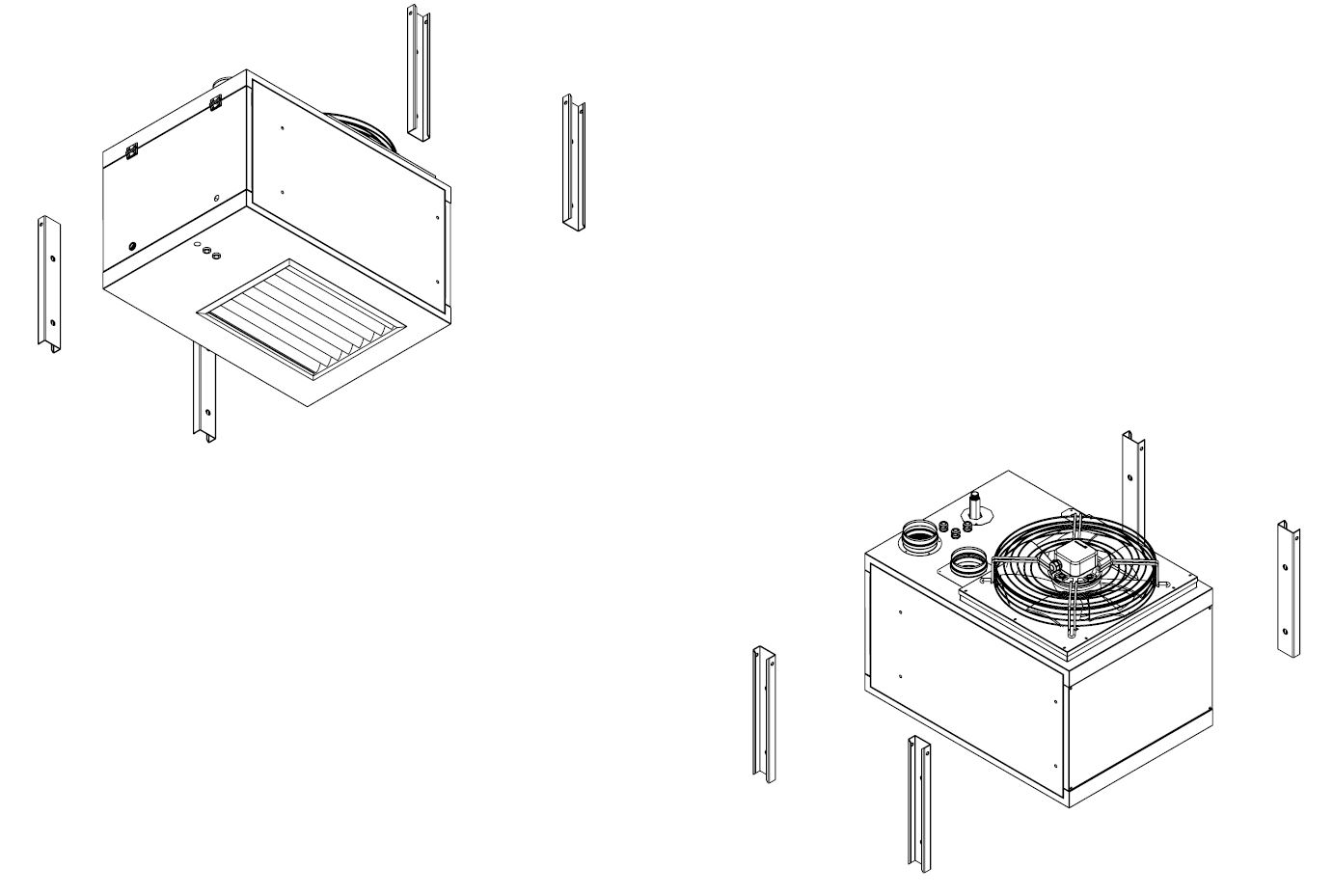
EOLO gas heaters They are best suited to situations where the entire space or stock needs to be heated quickly. In many halls, combining both solutions yields good results – for example, heaters in the storage area and radiant heaters alongside the production lines. In high-ceilinged halls, it is worth adding DS destratifiers, which draw warm air from under the roof into the working area. You can find a comparison of the systems in the guide How do you heat an industrial hall?
How do you choose the right gas heaters for a hall?
The number and output of the radiators are determined by the building’s heat requirements, rather than by a simple calculation per square metre. When selecting them, we take the following into account:
- the height of the hall and the maximum installation height,
- the floor area, volume and insulation of the building,
- the temperature required in the work areas,
- the number of gates and how often they are opened,
- the type of gas used on the premises (natural gas or propane) and the method of flue gas discharge,
- zoning and control methods.
Based on this, we will draw up a selection of equipment and its layout. All we need is some basic information: the height and floor area of the hall, the number of doors and the type of gas. If you have a floor plan or installation design, please send it along with your enquiry.
How much gas does a gas heater use?
Gas consumption depends on the appliance’s power output, operating time and control settings. Radiant heaters warm people and surfaces, so the same level of thermal comfort can usually be achieved at a lower air temperature than with forced-air heating. Two-stage or modulating burner operation and the division of the hall into zones limit the operation of the units in areas where no one is present – this reduces running costs. You can find gas consumption data for each model in the technical and operational documentation (DTR) on the website Download.
Are gas heaters safe?
Yes – provided that the units are selected and installed in accordance with the manufacturer’s documentation and regulations. Our radiant heaters carry the CE mark, and we make the technical documentation and declarations of conformity available on the ‘Downloads’ page. In OHA systems, the burner operates outside the hall, and the negative-pressure system prevents flue gases from entering the interior. Regular servicing ensures safe operation for years to come – we carry out factory service and maintenance packages.
Frequently Asked Questions
Can a gas heater be used in a house or flat?
No. Our gas heaters are industrial units designed for halls, warehouses, workshops and agricultural premises, and are supplied from the site’s gas mains. These are not bottled-gas heaters or patio heaters – other appliances are designed for flats, domestic rooms and terraces.
How many square metres can a single gas heater heat?
This depends on the power output, installation height, the hall’s insulation and the required temperature; therefore, rather than using a conversion factor, we carry out a selection process tailored to the specific hall. As a guide: INFRA BU radiant heaters have power ratings ranging from 18 to 60 kW, whilst OHA heating strips range from 100 to 300 kW.
Can gas heaters be controlled on a zone-by-zone basis?
Yes. The zones in the hall can operate according to their own schedules, and the OHA X system can control up to 16 zones and 28 time programmes.
What does working with Systema Polska involve?
Equipment selection, documentation, delivery, commissioning and manufacturer’s servicing. Our sales department will provide you with prices and terms – start by requesting a free quote using the form above.
Summary
- Gas radiant heaters warm people and surfaces, rather than the air under the roof – they work well in high-ceilinged halls and for zone heating.
- For most halls: INFRA BU and INFRA BM duct systems; for very large buildings: OHA duct systems; where ventilation is also required: OHA X; in agriculture: BAFDES.
- We tailor the capacity and layout to your hall’s heating requirements – take advantage of our free quote.